
In modern healthcare environments across Ireland, nurse call systems are no longer just a regulatory requirement—they are a critical part of delivering safe, efficient, and high-quality patient care. From nursing homes and assisted living facilities to acute hospitals, the ability for patients to instantly communicate with caregivers is essential. A well-designed nurse call system ensures that help is always within reach, improves staff response times, and enhances the overall patient experience. As healthcare demands grow and staffing pressures increase, facilities must adopt smarter, more flexible solutions that go beyond traditional call bells.
What is a Nurse Call System?
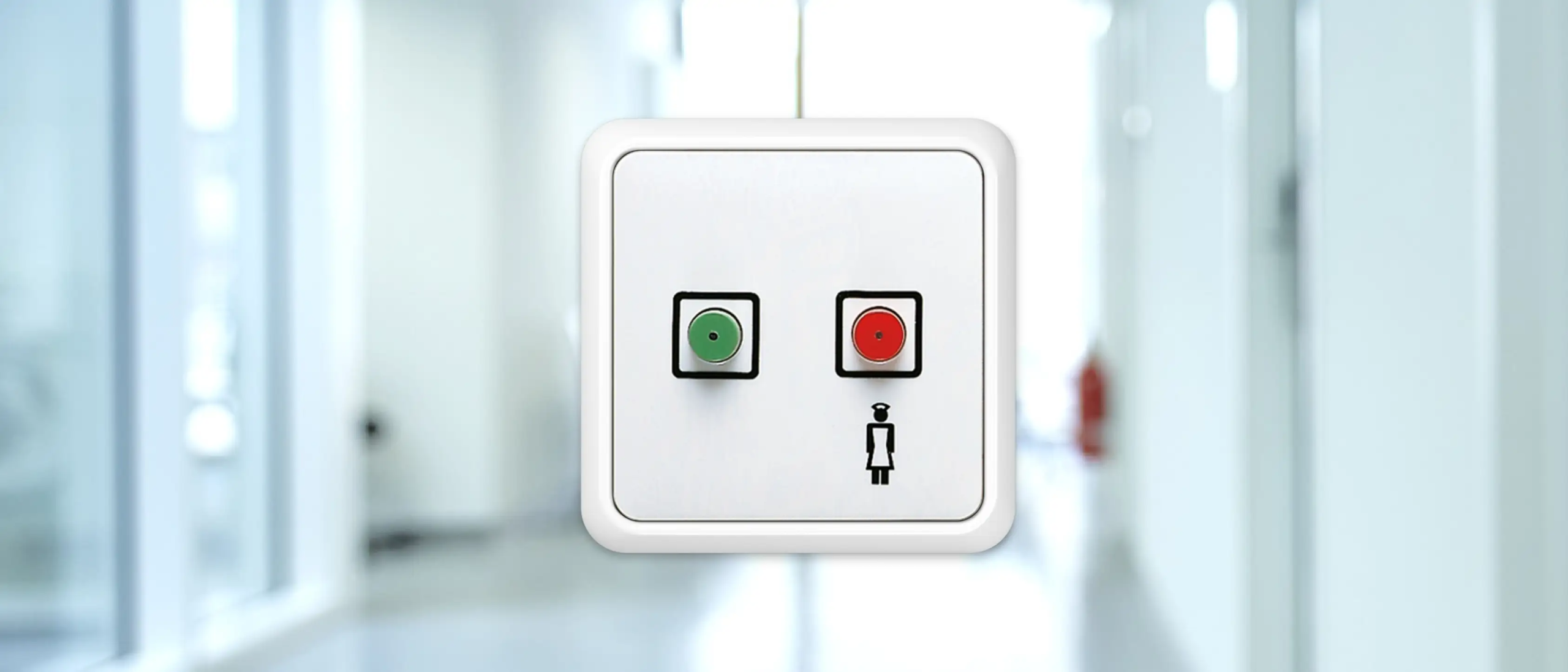
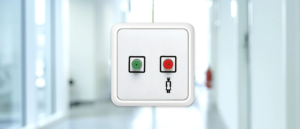
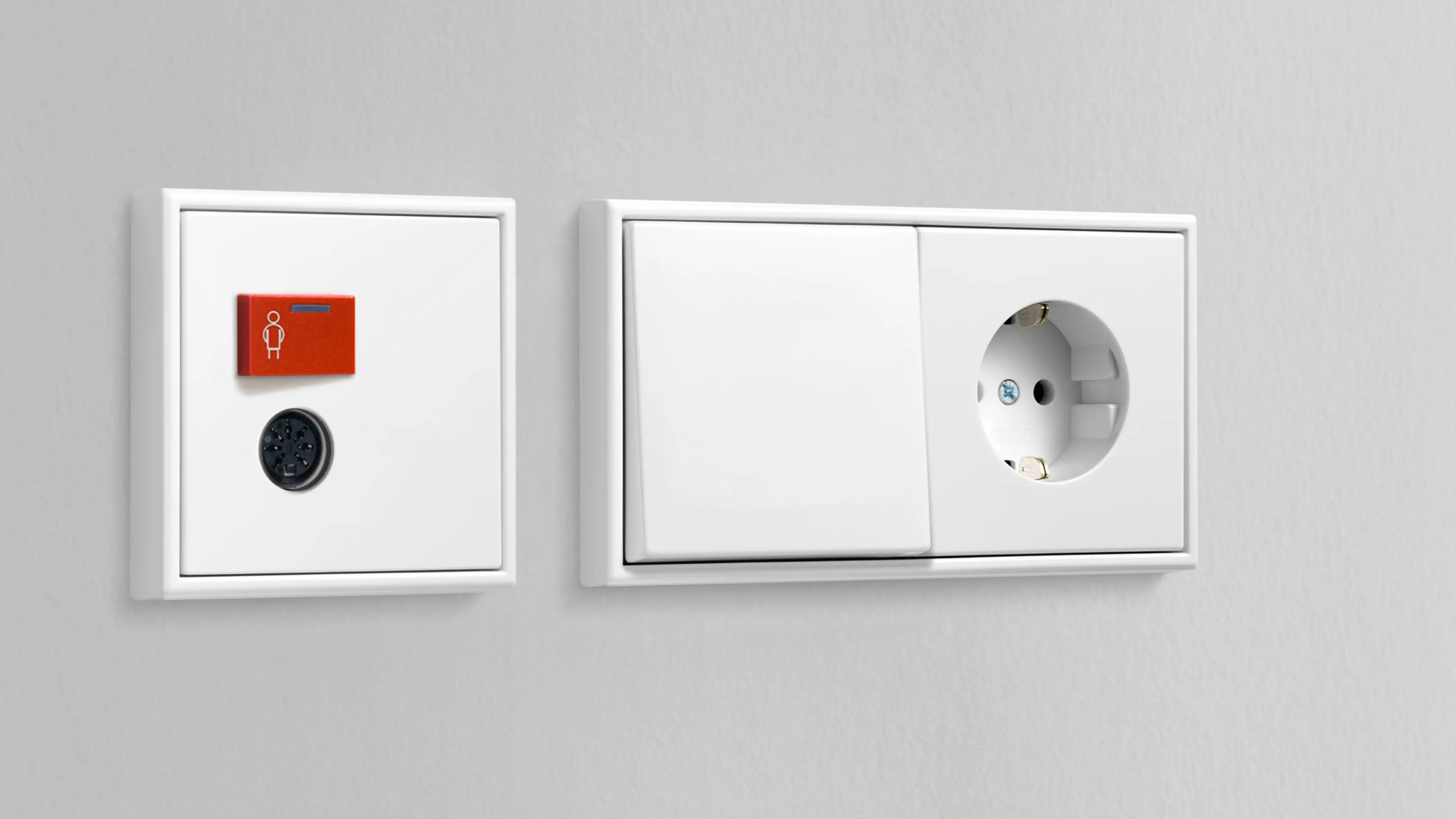
A nurse call system is an electronic communication platform that allows patients or residents to request assistance from healthcare staff at the touch of a button. These systems are typically installed in bedrooms, bathrooms, and communal areas, enabling fast and reliable communication across the facility.
Modern systems include a wide range of devices such as:
- Bedhead call units and pull cords
- Wireless call buttons and pendants
- Overdoor indicators and corridor displays
- Central monitoring stations
- Mobile alerts for staff
When activated, alerts are transmitted instantly to caregivers, ensuring timely response and improved patient safety.
Regulatory Importance in Ireland
In Ireland, nurse call systems are not optional—they are a core requirement in care environments. Standards for residential care facilities specify that accessible alarm systems must be available in every resident room to ensure safety and dignity.
Beyond compliance, the expectation today is that systems should also:
- Support vulnerable residents (e.g. dementia, mobility issues)
- Provide audit trails and reporting
- Enable prioritisation of emergency calls
- Integrate with wider building systems
Facilities that rely on outdated or basic systems risk falling behind both operationally and in terms of care quality.
Key Features of Modern Nurse Call Systems
Today’s leading nurse call systems are designed to do far more than trigger an alarm. Key capabilities include:
1. Intelligent Call Prioritisation
Not all calls are equal. Advanced systems categorise alerts (e.g. emergency, assistance, routine), ensuring critical situations are addressed first.
2. Mobile Staff Integration
Care staff can receive alerts directly on smartphones or DECT devices, reducing response times and improving workflow efficiency.
3. Activity Logging & Reporting
Detailed logs provide valuable insights into response times, staff performance, and patient needs—supporting compliance and operational improvements.
4. Patient Safety Enhancements
Features such as fall detection, door monitoring, and bed occupancy sensors help prevent incidents before they occur.
5. Scalability & Flexibility
Modern systems can easily expand or adapt to changing facility requirements, from small care homes to large hospitals.
Conclusion
Nurse call systems are evolving rapidly in Ireland, moving from simple alert mechanisms to intelligent, integrated care platforms. As healthcare providers face increasing pressure to deliver better outcomes with fewer resources, the role of technology has never been more important.
Choosing a modern, scalable system is no longer a luxury—it is a strategic decision that affects every aspect of care delivery.
For integrators, consultants, and healthcare providers, the opportunity lies in adopting solutions that not only meet today’s requirements but are ready for the future of connected healthcare.