Keeping energy use under control is vital — for the planet and for your utility bills. Buildings account for a large portion of energy consumption, and schools, offices, hotels, and homes all benefit when systems like heating, lighting and ventilation work smarter, not harder. With KNX smart building automation, you get precise, seamless, energy‑efficient control across your entire building — improving comfort, reducing waste, and lowering operating costs.
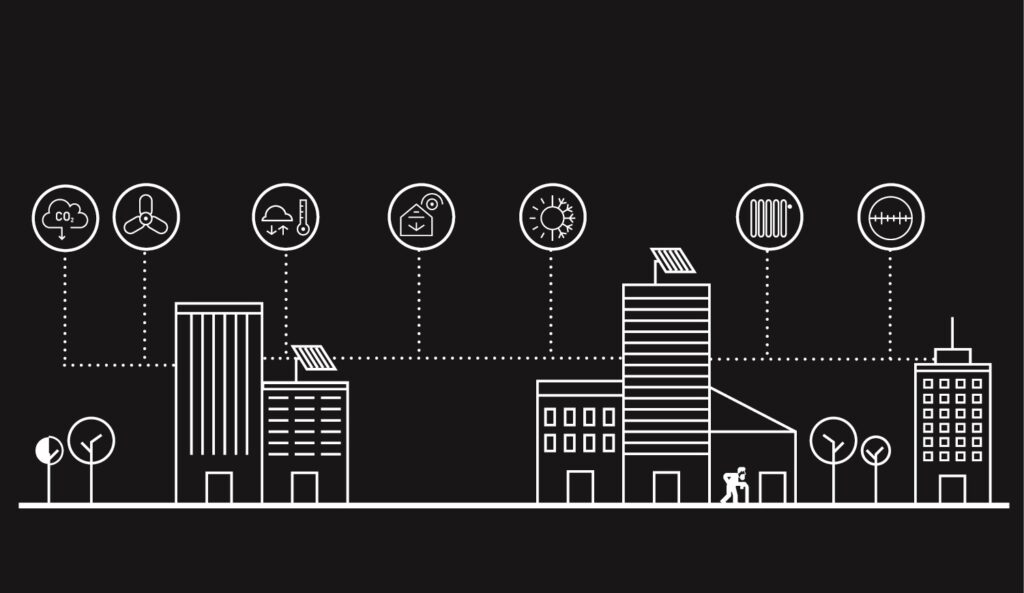
What is KNX? KNX is a global standard for intelligent building control. It connects lighting, heating, ventilation, air quality sensors, energy meters and much more into one coordinated system that works automatically and adapts to real‑world conditions.
How KNX Helps Save Energy
1. Constant Lighting Control with PIR SensorsGood lighting matters — but so does not wasting energy when it’s not needed.KNX integrates constant lighting control and presence (PIR) detectors so lights adjust automatically based on occupancy and daylight levels. This means lights come on when people are present and dim or turn off when spaces are empty, and artificial lighting is only used when natural light isn’t enough.In classrooms, corridors and offices this helps cut lighting energy use significantly. In many cases, intelligent lighting control can reduce lighting energy use by up to 60 % compared to manual switching.
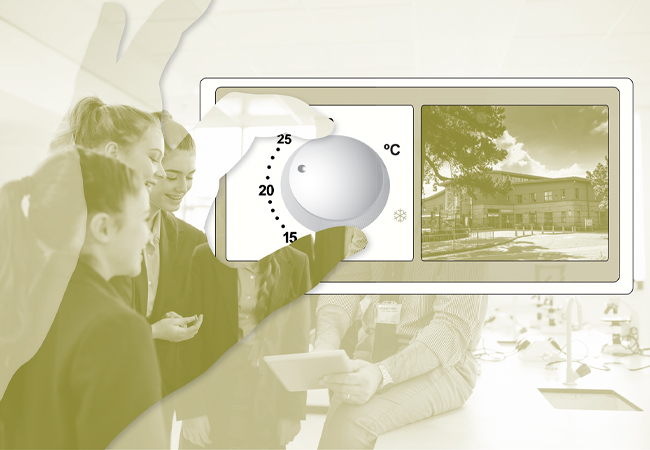
2. Smarter Heating Control for Regulated Room TemperatureHeating is one of the biggest energy consumers in any building — especially in cooler months.With KNX, heating isn’t just “on” or “off” — it’s zoned and automated on a room‑by‑room basis. Temperature sensors and smart thermostats work with occupancy data to ensure heating is delivered only where and when it’s needed.For example: Rooms in use can maintain comfort levels. Empty rooms automatically drop to an energy‑saving set‑back mode. Open windows are detected and heating paused to prevent waste.This not only reduces unnecessary fuel or power use, but also improves comfort for occupants and helps avoid overheating or underheating.
3. Energy Monitoring and InsightYou can’t improve what you can’t measure — and KNX provides clear, real‑time visibility into how your building uses energy.By connecting energy meters and sensors into the KNX bus, you get powerful energy monitoring that: Tracks electricity, heating and cooling use. Shows trends so you can identify inefficiencies. Lets you adjust systems based on actual data, not guesswork.This transparency helps facility managers make informed decisions, shift usage to off‑peak times and spot issues before they become costly.
4. Better Indoor Air Quality with Intelligent VentilationGood indoor air quality is about comfort and energy efficiency.KNX can use CO₂ and humidity sensors to operate ventilation systems only when needed, ensuring fresh air without unnecessary energy use. This approach conserves heat in winter and reduces over‑ventilation that wastes power.
Why Choose KNX?
✔ All‑in‑one control — Lighting, heating, ventilation, blinds and monitoring all work together reliably.
✔ Flexible and scalable — Systems grow with your needs — from one room up to large commercial buildings.
✔ Data‑driven savings — Real‑time reporting helps cut wastage and reduce energy bills.
✔ Comfort and health — Maintains ideal lighting, temperature and air quality seamlessly.
Independent studies show that integrating smart controls like KNX can lead to substantial energy reductions — with lighting, HVAC and ventilation optimisation often cutting energy use by hundreds to thousands of euros annually, and potentially halving total energy consumption in some buildings.
Whether you’re planning a new building or upgrading an existing one, KNX gives you the tools to optimise performance, reduce waste, and create healthier, more efficient spaces. Contact us at KNX Ireland to learn how smart automation can transform your energy approach — lowering costs and supporting sustainability goals.